MDSU
  • Screen Reader
  • Skip to main content
  • Library
  • Contacts
  • Maps
    • A-
    • A
    • A+
    Login
  • Saturday, January 31, 2026
  • हिंदी
  • Home
  • About University
  • Vision & Mission
  • Faculty
  • Academics
    • Academic Calendar
    • Academic Programs
    • Fee Structure
    • List of Holidays
  • Accreditation
    • NAAC »
      • NAAC Certificate
      • Annual-report
    • NIRF
  • Students
    • Admission
    • Hostel
    • Scholarships
    • Downloads
    • Online Fees
  • Facilities
    • Central Library
    • Health Care
    • Sports
    • Placement Cell
    • Cultural Committee
  • Affiliation
    • Affiliation @MDSU
    • Affiliation rules
    • Affiliation letters
    • List of Colleges
    • Programme Run By Colleges

Microbial features visible to eye

Sports activity of Microconcern-the PG club.

Fruits ripen and hydrolyze their material to allow the liberation of the seeds after dispersal. The process is initiated by the enzymes of the fruit itself. Once the fruit skin becomes permeable/porous or disrupted, the readily available sugars allow fast growth of bacteria. Fungi succeed them to grow over the biopolymers like cellulose and lignin.

Microbiotic crusts are called cryptobiotic crusts when cryptogams like mosses start appearing in it.

Microbiotic crusts are communities of microorganisms that grow over the soil and may appear like crusts in dry seasons. They help binding of the soil and engineering the soil structure. this in turn improves capacity of soil to hold water and minerals. The nutrients added by them allow succession of larger plants. These are important tools in reducing soil erosion and desertification by way of dune stabilization.

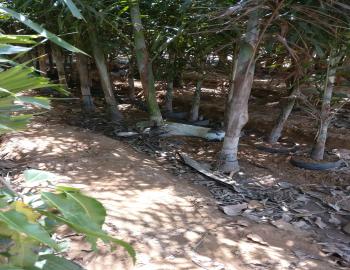
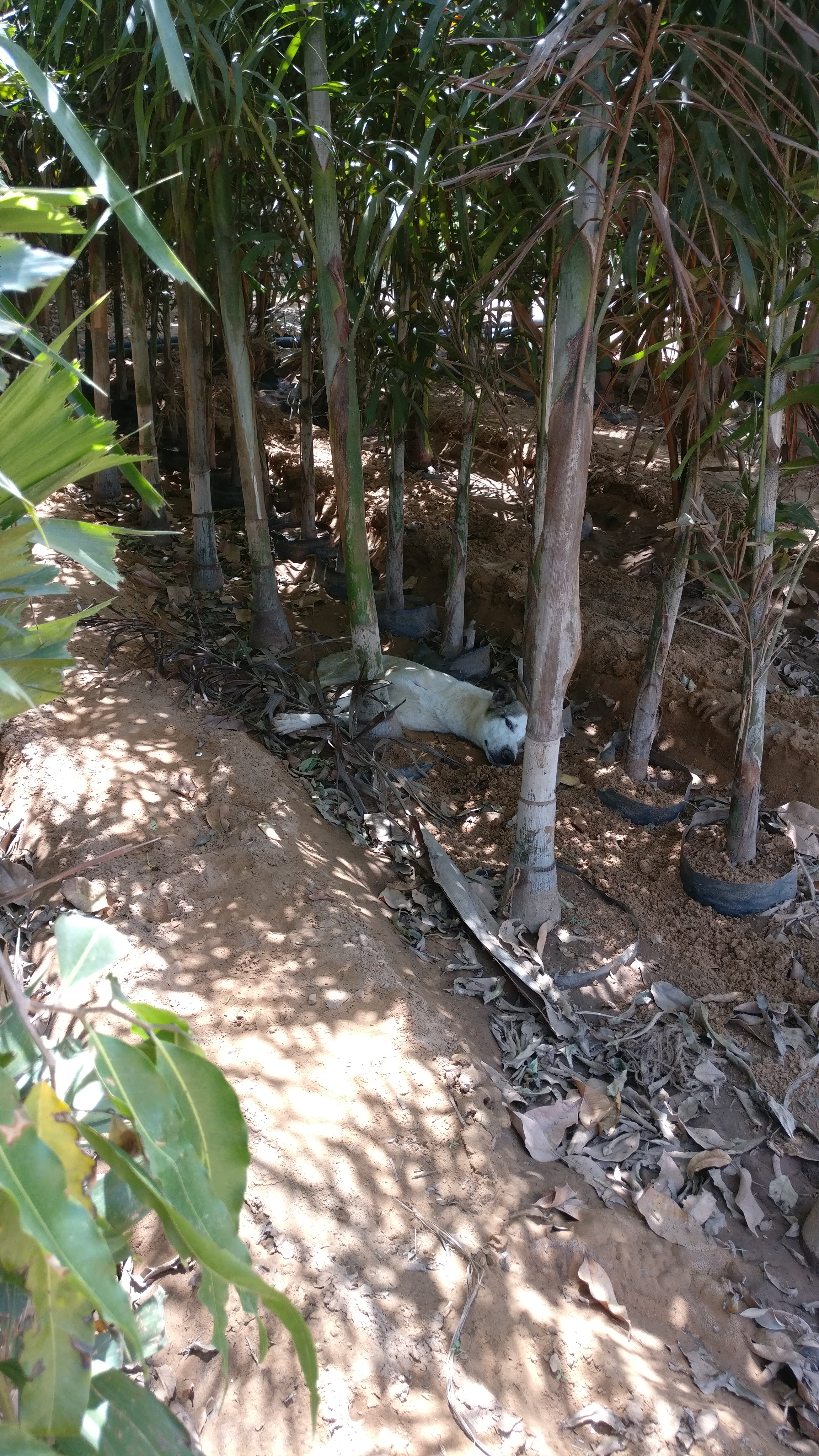
Many plants especially those in the arid regions, produce profuse root exudates that support microbial flora around them and cause the soil particles to bind on the rootlets in the form of thick sheaths.

Cultivation of algae on solid surface- such growth is known as Algal Turfs.

Sailana Cactus garden

Sailana near Ratlam used to have the largest Cactus garden in Asia. But the cost of maintenance and urbanisation pressures have reduced it to a small patch being maintained by the scions of the Nawab of Sailana. Shear size of these plants is mesmerizing. These harbour endophytic microorganisms and rhisozheaths.

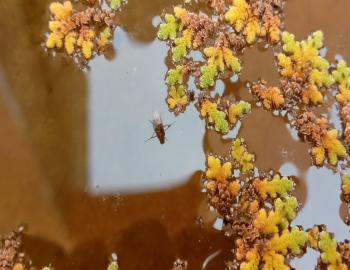
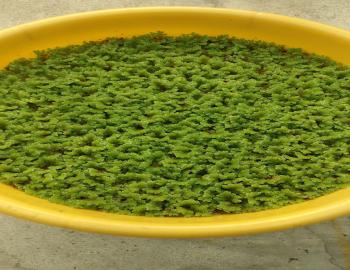
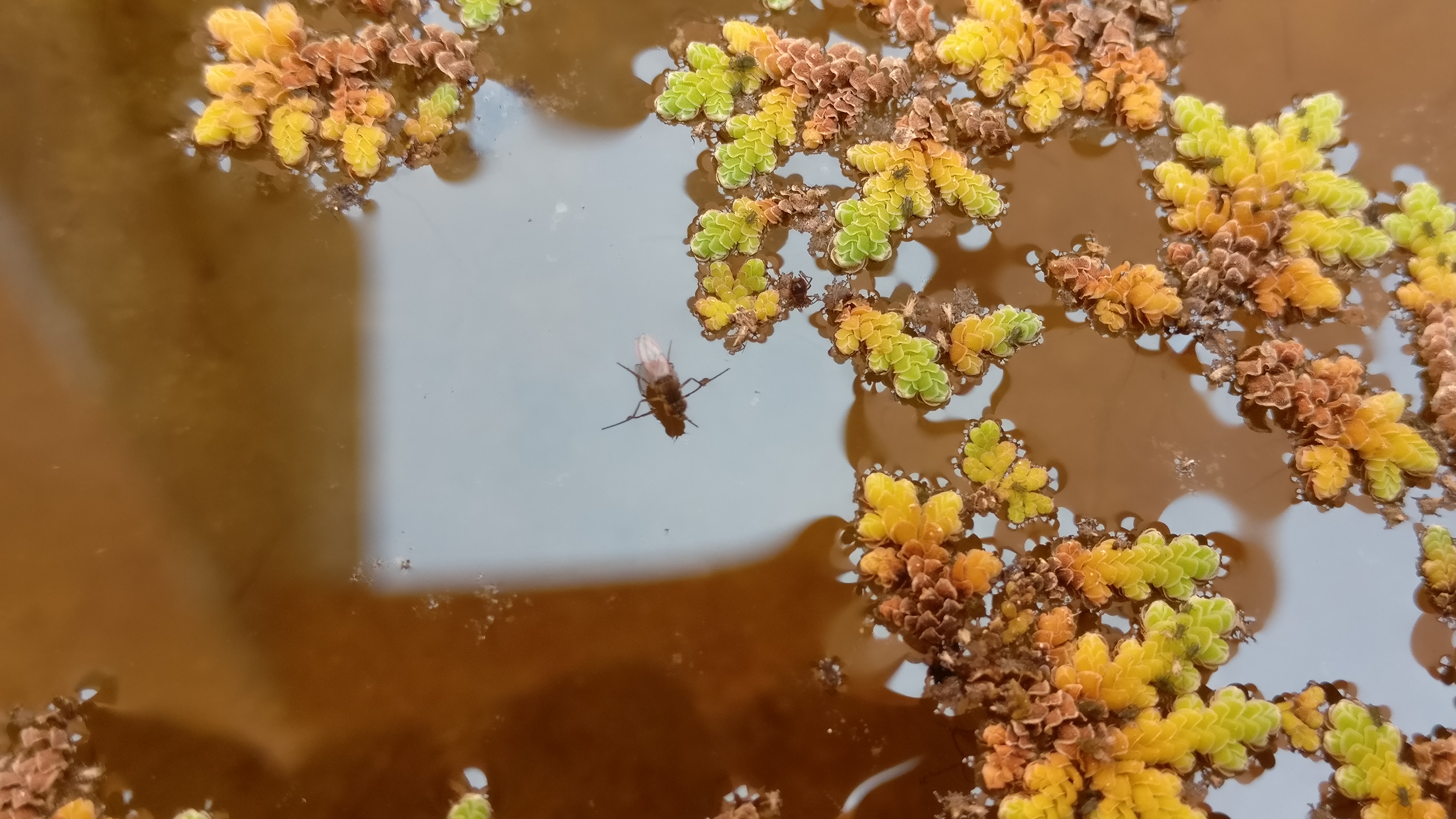
Any open cultivation  of aquatic plants and microorganisms invites insects that feed upon them or use them as breeding sites. Thus it is a challenge to manage them.

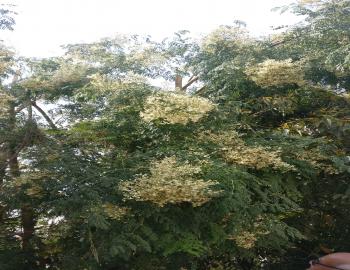
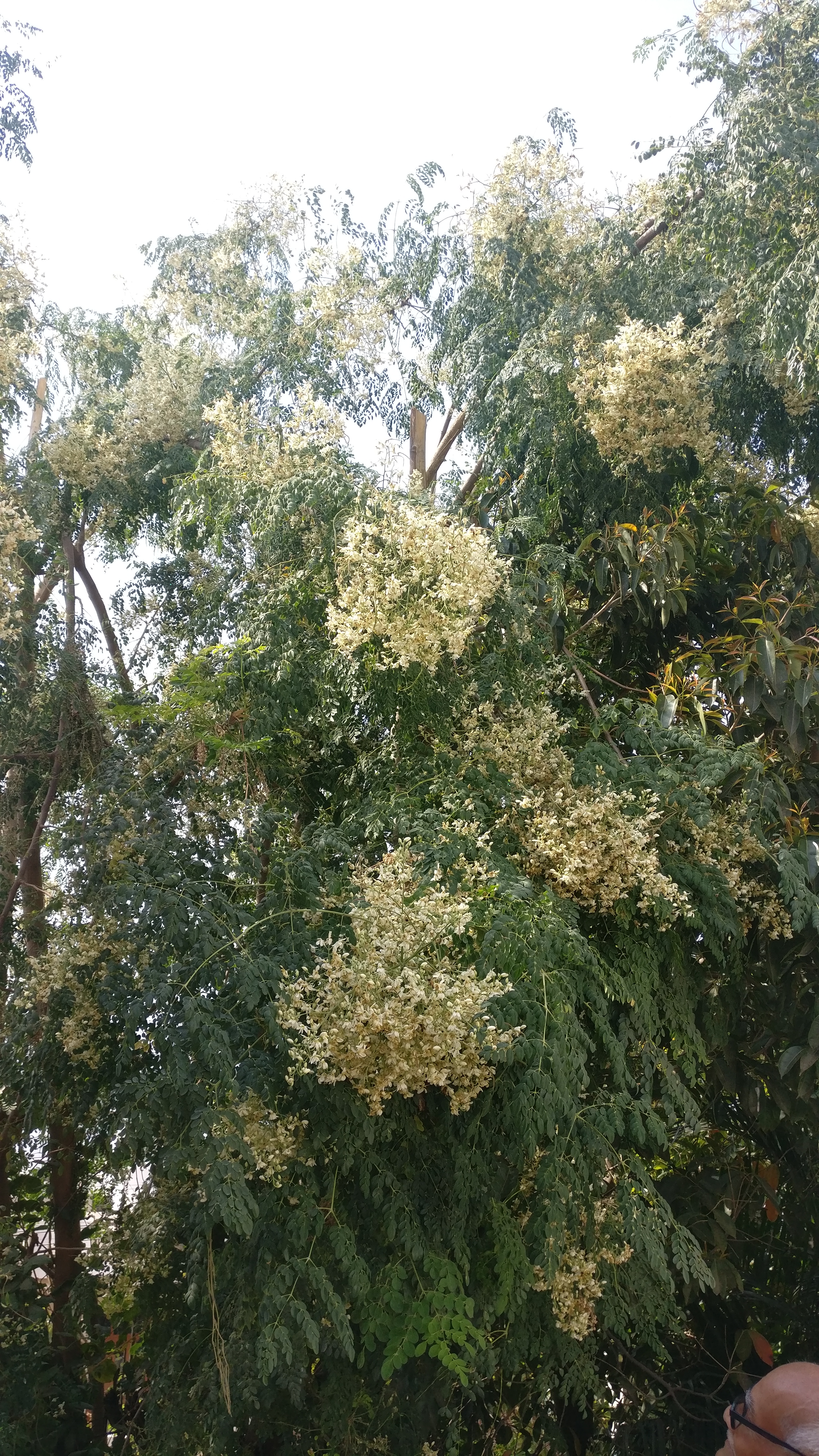
Sahjana or Moringa oleifera is called a Medicinal cabinet. Its leaves are rich in vitamin C, iron and calcium. It is known to have bioactive molecules to control the hypertension and is antidiabetic. Leaf powder is used in Philippines by the mothers to enhance lactation.

Biodegradation is one of the major contribution of the microorganisms. If the litter and dead organisms or their body parts are not degraded and the nutrients locked therein, not returned to the nature then continuation of life on this planet will not be possible.

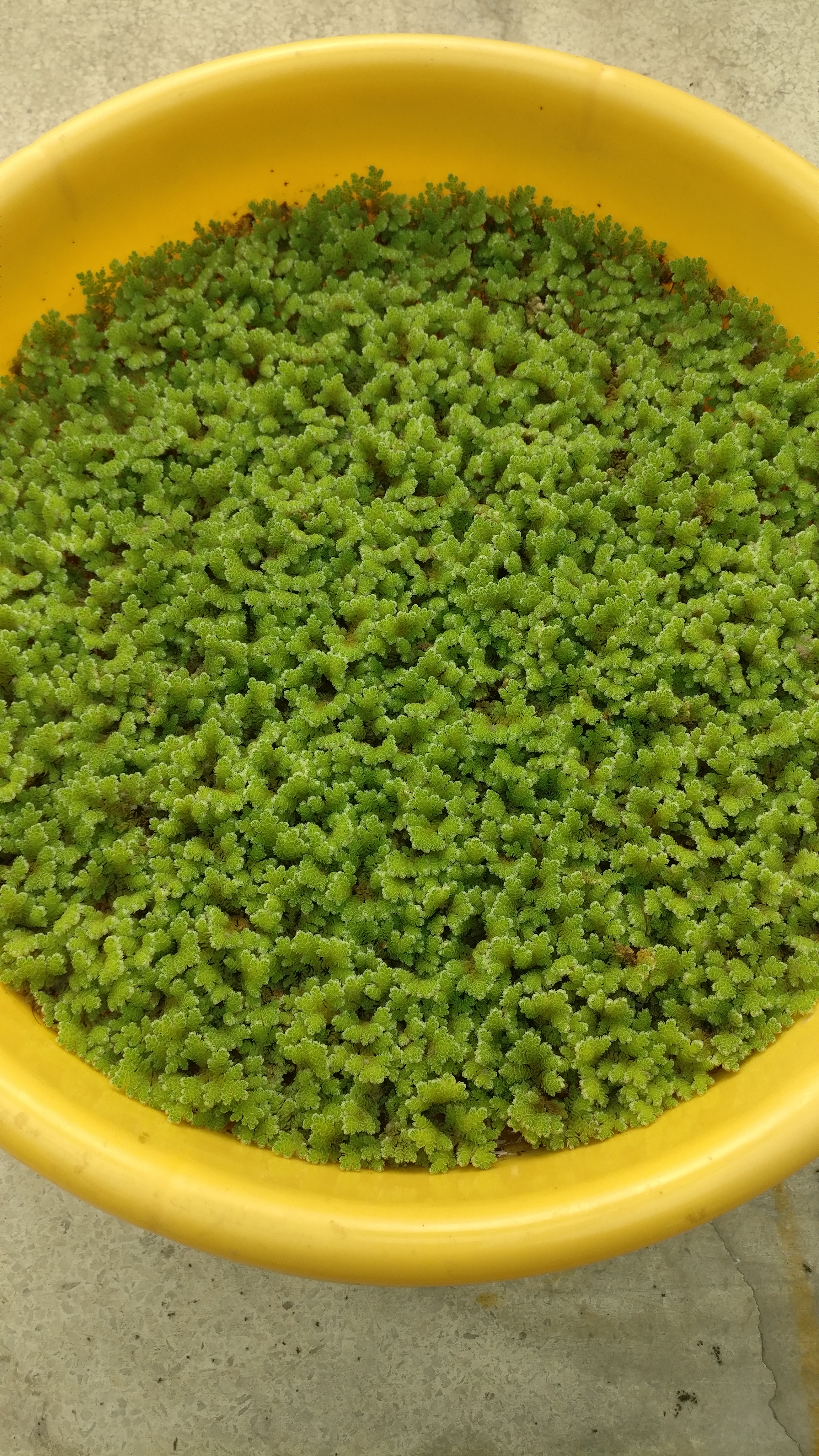
Azolla-an aquatic fern has Anabaena azollae-a cyanobacterium in its frond as a symbiont that fixes nitrogen and helps the growth of Azolla

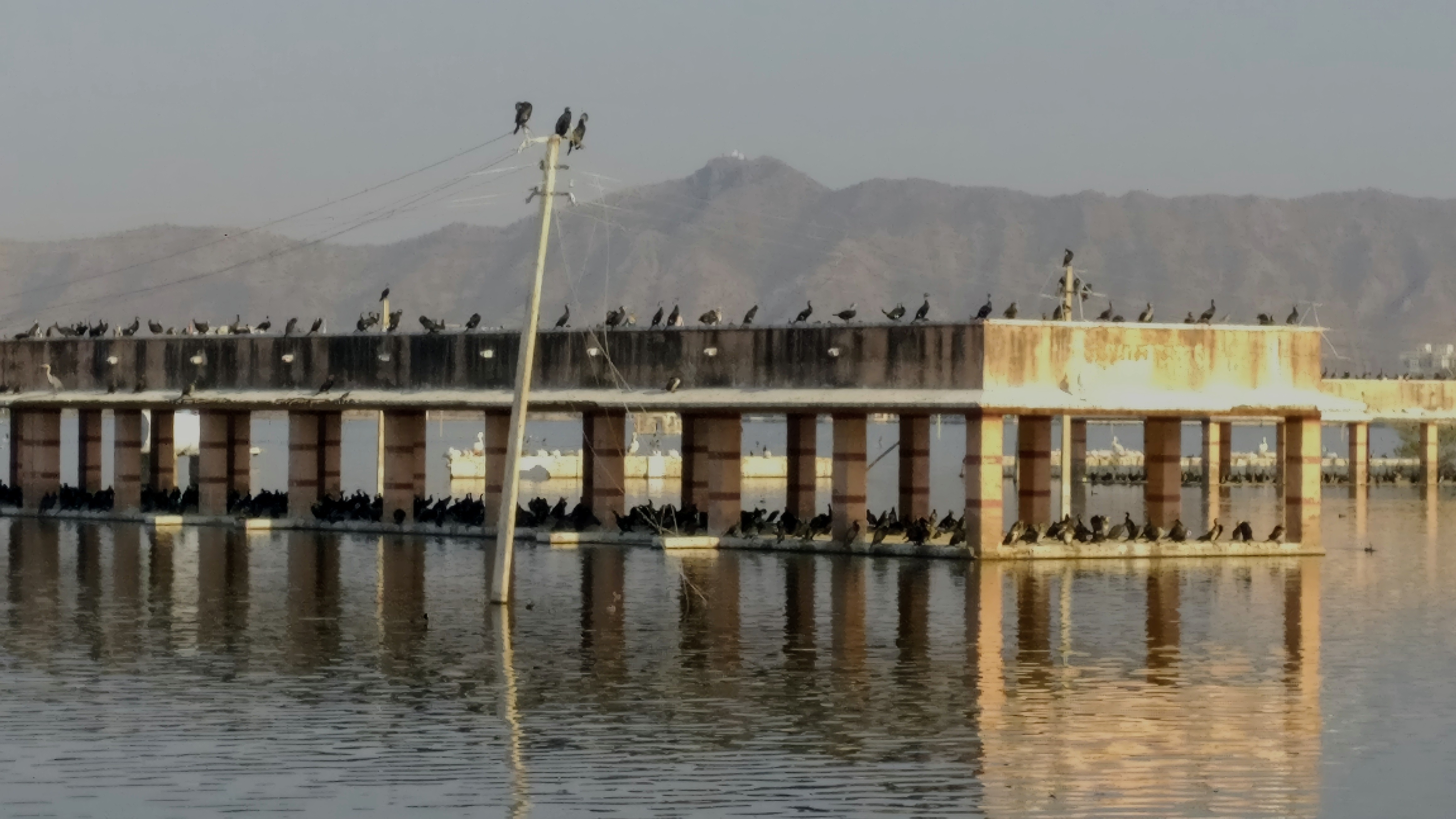
The picture has Cormorants nesting site at Anasagar. The bird poop rich in Phosphorus is called Guano and is used as manure in the fields. But if these sites are not cleaned then the same manure (that could become a rich source of income and be used for organic farming) may become a contributing factor to Eutrophication and destruction of the waterbody.

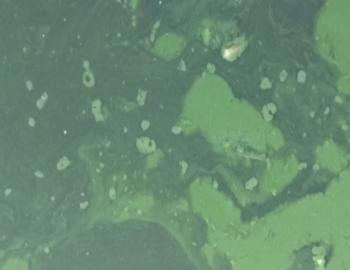
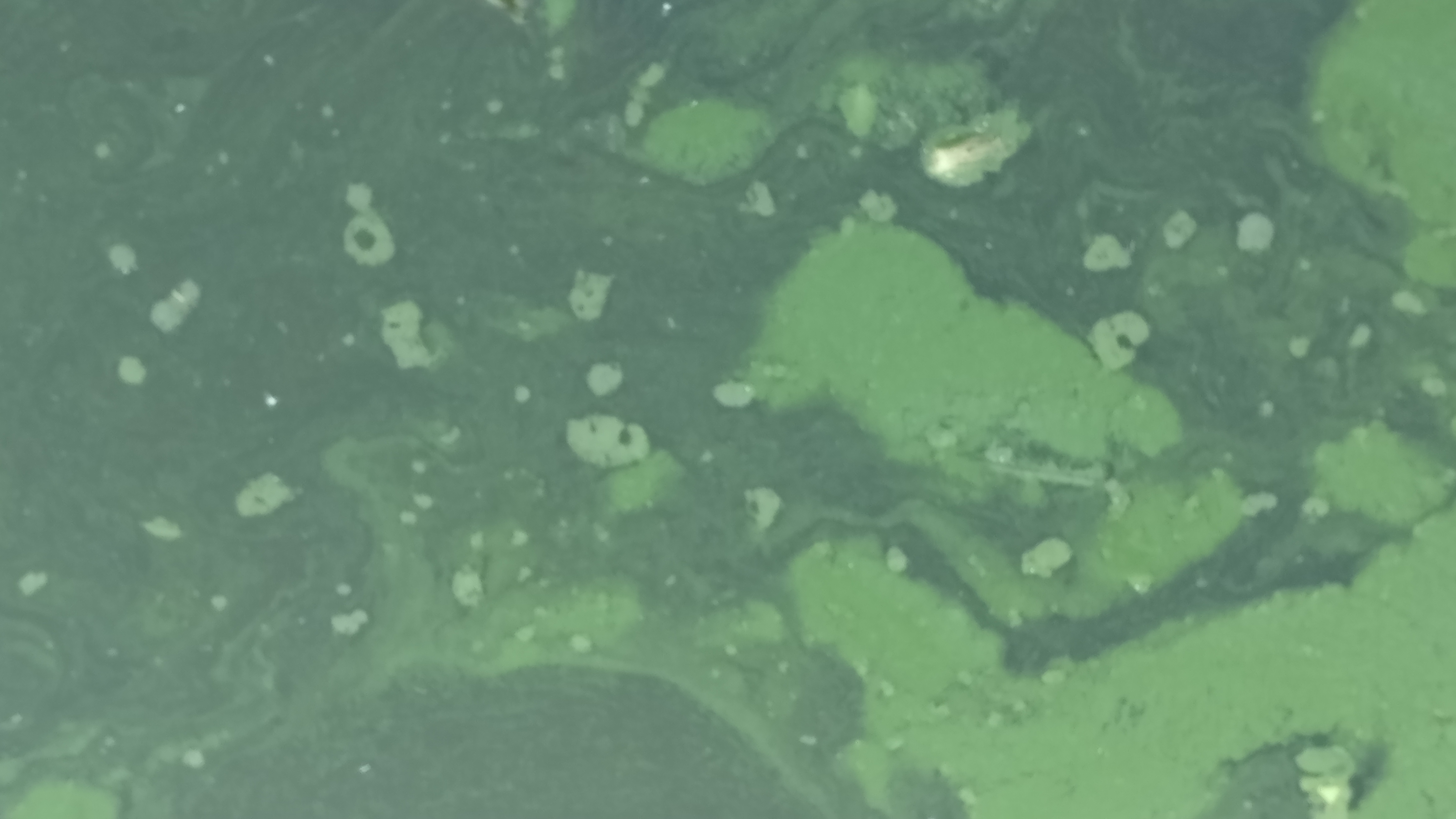
Excess Nitrogen and Phosphorus cause heavy growth of algae and cyanobacteria making water green. Consequent biomass degradation of dead microalgae by bacteria depletes oxygen in the water leading to the death of aquatic animals like fishes. This further adds nutrients and enhances bacterial growth. Continuous repetition of such activity starts sediment accumulation, shallowing of the pond and ultimately the waterbody ends its life. The process is known as Eutrophication.

  • Important Links

  • important logo
  • important logo
  • important logo
  • important logo
  • Accessibility Web Tool Will Make You More Accessible for Users with Disabilities
  • Social Links

  • Photo gallery and press news
  • Video gallery
  • Academic Integrity
  • Annual Reports
  • Anti Ragging
  • Anti Sexual Harassment Cell
  • Academic Bank of Credits (ABC)
  • Documentary
  • CSR Certificate
  • Forms and Formats
  • AICTE
  • Innovation and Start-up
  • Endowment Fund
  • Foreign Admission
  • Grievance
  • Internal Commitee
  • Mental health and well-being
  • IPR Guidelines
  • Alumni
  • NIRF
  • NSS Cell
  • Ordinance/Rules & Regulations
  • Public Self-Disclosure
  • Research - Development
  • RTI
  • SC/ST Cell
  • OBC Cell
  • National Archives of India
  • Copyright © MDS University, Ajmer
  • Last Updated On : 04-12-2025